Biography
Myriam Cohenca (b. 1992) is an Arab Jewish visual artist, photographer, and writer). Working across photography, video, text, installation, and mixed media, her practice navigates the space between political urgency and poetic ritual.
Rooted in fieldwork, site-specific encounters, and long-term research, her work reflects on exile, identity, inheritance, human rights, and radical love, particularly within the context of Palestine. She has exhibited in Spain, Italy, France, Austria, England and Morocco, and her work has been featured in independent publications such as The Markaz Review (including its printed anthology), Where Flowers Bloom and Suboart. She recently completed a long-term body of work titled How to Lose the War, which blends photography, video, text, and installation to explore systemic violence and the possibilities of resistance through poetic expression. She is currently developing a new constellation of works, a long-term research-creation project that reconstructs erased Arab Jewish memory through embodied rituals, intimate gestures, and imagined geographies across the Mediterranean.
Download CV
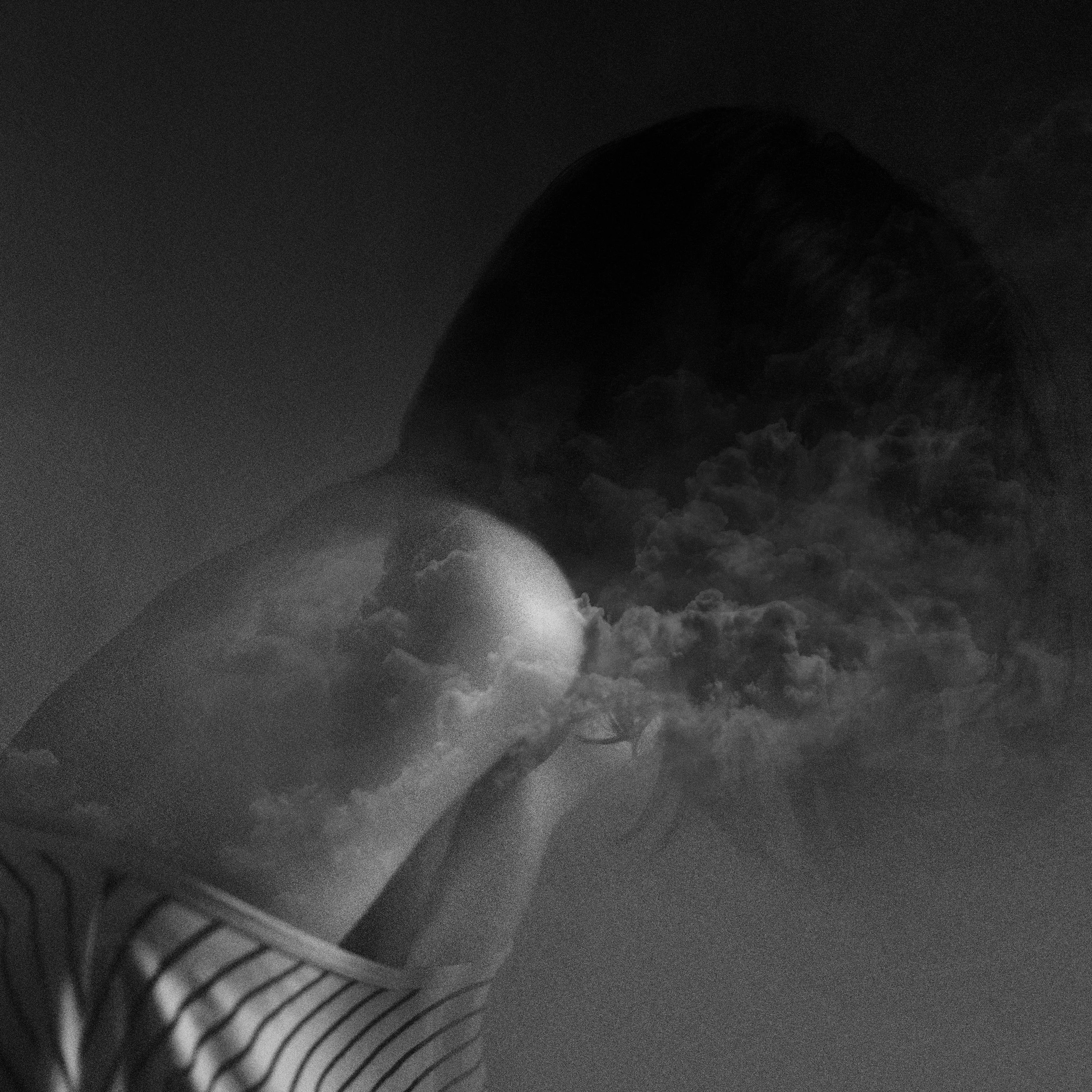
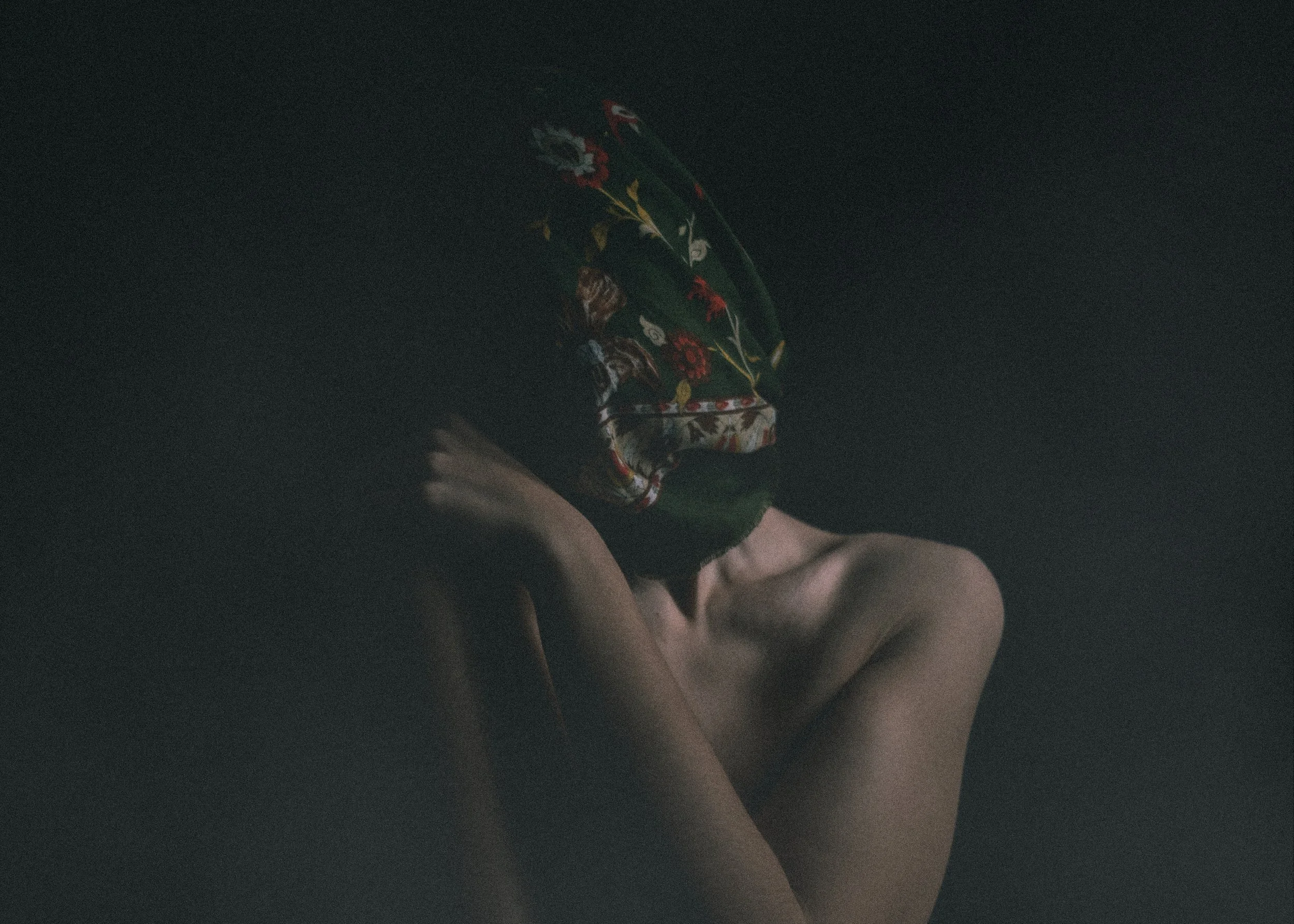
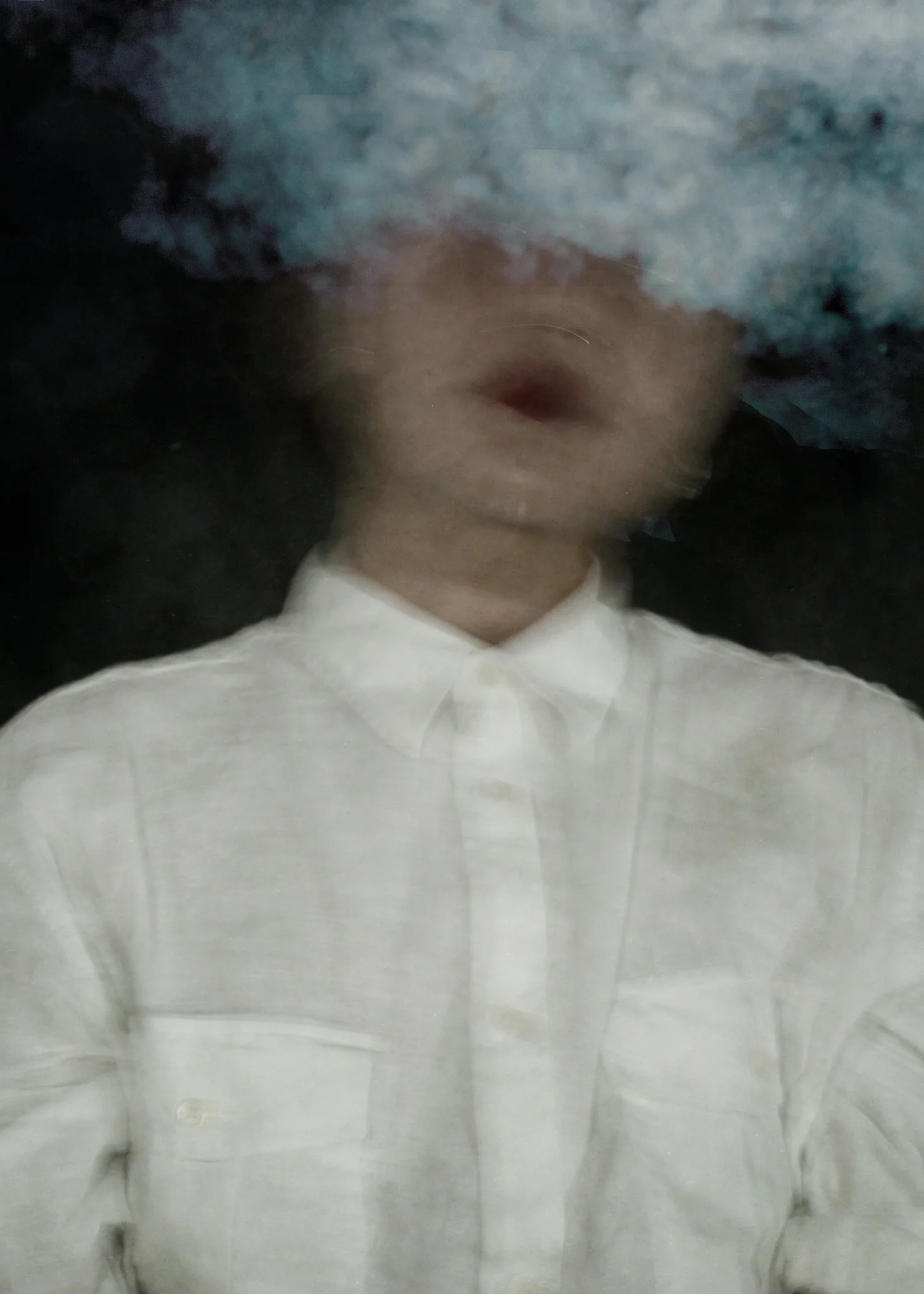
Artist statement
Myriam Cohenca is an Arab Jewish artist and writer whose practice is grounded in the histories of the Levant and pre-1948 Palestine. Emerging from an identity shaped by disappearance, taboo, and historical rewriting, her work examines the erasures produced by Zionism and broader colonial structures, as well as the binary frameworks they have imposed on memory, belonging, and political identity.
Working across photography, moving image, text, and installation, Cohenca explores exile, radical love, displacement and interrupted transmission. Her practice considers how identities are formed in the aftermath of rupture, when the languages, communities, cultures, and narratives meant to provide continuity have been dismantled before birth.
Her work unfolds as a living archive, bringing together partial stories, displaced geographies, inherited gestures, relearned practices and silences. She gives form to what remains without forcing it into completion, allowing the body to become a site where obscured, edited, or unfinished histories are carried and reactivated.
Radical love runs through her work as a way to refuse inherited and endured violence without reproducing it. From the position of an Arab Jew rooted in pre-1948 Palestine, it becomes a way to hold together histories that dominant narratives have forced apart, and to imagine belonging beyond national and colonial frameworks through care.
Earlier works such as Kaddish and No Shore already carry this approach, revisiting places, rituals, and gestures altered beyond recognition while remaining with the instability of what survives.
Her new constellation of works, including Finding Alquds, Dukka, Common Ground, and Nos Levants, extends this research through (partial) archives, family fragments, Mediterranean routes, ritual gestures, and imagined returns. These works ask how a coherent story can be transmitted from what is missing, and how identity might be rebuilt from the trace. Without turning to nostalgia, they move toward forms of resolution: the deliberate making of new foundations from which different futures can be imagined.